

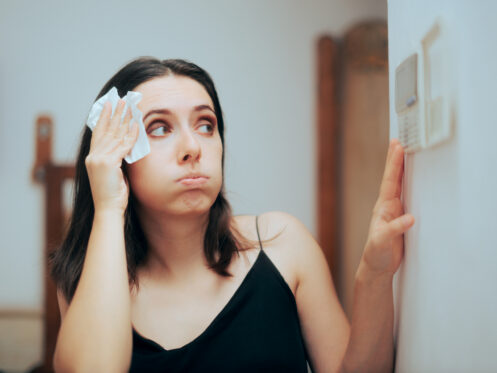
You set the thermostat to 72 degrees, but your home still feels sticky, muggy, and uncomfortable. If that sounds familiar, you’re not imagining things. During Florida’s most humid days, your air conditioner faces a challenge that goes beyond simply lowering the temperature. It must also remove large amounts of moisture from the air.
Along the Gulf Coast, high humidity is a fact of life for much of the year. When moisture levels climb, even a functioning air conditioner can struggle to maintain the level of comfort you expect. The good news is that humidity-related cooling issues often have solutions that go beyond turning the thermostat down another few degrees. Understanding what causes these problems can help you improve comfort, reduce strain on your system, and potentially lower energy costs.
Why Does High Humidity Make Your AC Work Harder?
Your air conditioner is designed to perform two jobs simultaneously: cool your home and remove excess moisture from the air. While many homeowners focus on temperature, humidity plays an equally important role in indoor comfort.
When humidity levels are high, your HVAC system must work harder to extract moisture while continuing to cool the air. This additional workload can lead to longer cooling cycles and increased energy consumption. Even if your thermostat shows the desired temperature, excess moisture can make your home feel warmer than it actually is.
Humidity affects how your body regulates temperature. When the air contains too much moisture, sweat evaporates more slowly, making indoor spaces feel stuffy and uncomfortable. As a result, many homeowners lower the thermostat in an attempt to feel cooler, which can cause the system to run even longer without fully addressing the underlying issue.
In Pensacola and throughout the Gulf Coast region, HVAC systems often battle both heat and humidity for much of the year, making proper system performance especially important.
What Hidden Issues Could Be Causing Humidity Problems?
While Florida’s climate naturally contributes to humidity, excessive indoor moisture can also signal an HVAC problem. In many cases, homeowners assume their system is functioning normally because it still produces cool air. However, several hidden issues can reduce its ability to remove moisture effectively.
One common culprit is restricted airflow. Dirty air filters, blocked vents, and neglected maintenance can prevent air from moving properly across the evaporator coil, reducing the system’s dehumidification capabilities.
Condensate drain problems can also contribute to moisture concerns. Air conditioners remove humidity by collecting condensation and directing it away from the home. If the drain line becomes clogged, moisture-related problems can develop and system performance may suffer.
Low refrigerant levels can create another obstacle. When refrigerant is not at the proper level, the system may struggle to cool and dehumidify effectively. If a refrigerant issue is suspected, AC Freon recharge service can help determine whether performance is being affected.
Ductwork issues may also play a role. Leaky ducts can allow humid outdoor air to enter the system, increasing the amount of moisture that must be removed. Additionally, some homes have oversized air conditioners that cool spaces very quickly but shut off before adequate humidity removal occurs.
If your home feels persistently damp or uncomfortable, professional air conditioner repair and diagnostics can help identify the specific cause.
What Solutions Have Many Homeowners Not Considered?
When indoor humidity becomes a problem, many homeowners immediately focus on the thermostat. However, some of the most effective solutions involve improving system performance rather than simply lowering the temperature setting.
Regular professional maintenance is one of the most overlooked ways to improve humidity control. During a tune-up, technicians can inspect airflow, clean critical components, verify refrigerant levels, and ensure condensate drains are functioning properly. These services help your system operate as efficiently as possible while maximizing moisture removal.
Scheduling routine AC maintenance and tune-ups can help uncover small issues before they turn into major comfort problems during peak summer conditions.
In some situations, upgrading equipment may also improve humidity management. Modern HVAC systems often feature advanced controls and variable-speed technology that allow them to run longer at lower capacities, improving both efficiency and dehumidification performance.
Airflow adjustments, duct improvements, and system optimization can also make a noticeable difference, especially in homes that experience persistent humidity concerns despite having relatively new equipment.
How Can You Keep Your Home Comfortable During Florida’s Most Humid Days?
The best strategy is to address humidity concerns before they become major comfort issues. Routine maintenance, prompt repairs, and professional system evaluations can help ensure your air conditioner is prepared for the demands of Florida’s climate.
Watch for warning signs such as sticky indoor air, musty odors, condensation on windows, rising utility bills, or cooling cycles that seem longer than normal. These symptoms often indicate that your system is struggling to manage humidity effectively.
Since 2005, Avalon Air Heating & Cooling has helped homeowners and businesses throughout Pensacola and the Gulf Coast maintain reliable indoor comfort. Our certified technicians understand the unique challenges that hot, humid coastal conditions place on HVAC systems. We focus on building long-term relationships through dependable service, fast response times, and solutions tailored to each customer’s needs. With availability seven days a week and 24/7 emergency support, we’re here when comfort matters most.
If high humidity is making your home uncomfortable, contact Avalon Air Heating & Cooling today for professional diagnostics and customized solutions designed specifically for Florida’s coastal climate.